Try that serve again.
Learn a game. Explore an idea. Make mistakes in your own time. Come back with a better plan.
The aiOrion philosophy
Games built for the sports of the mind.
Practice deserves a place in your day.
Read the table. Imagine the next move.
Try a different plan. Enjoy getting better.
A playing field for your thinking. The mind deserves regular practice, just as the body does. Games make that practice enjoyable. They invite us to calculate, remember, spot patterns and make decisions. We build around that pleasure: a challenge worth returning to.
Like a gym with many different classes, this is a place to explore different ways of thinking. Pick the games you enjoy. Make room for practice.
A sporting life has room for both
A tennis player does more than enter tournaments.
There are serves to try, friendly sets to enjoy and, sometimes, a trophy to chase.
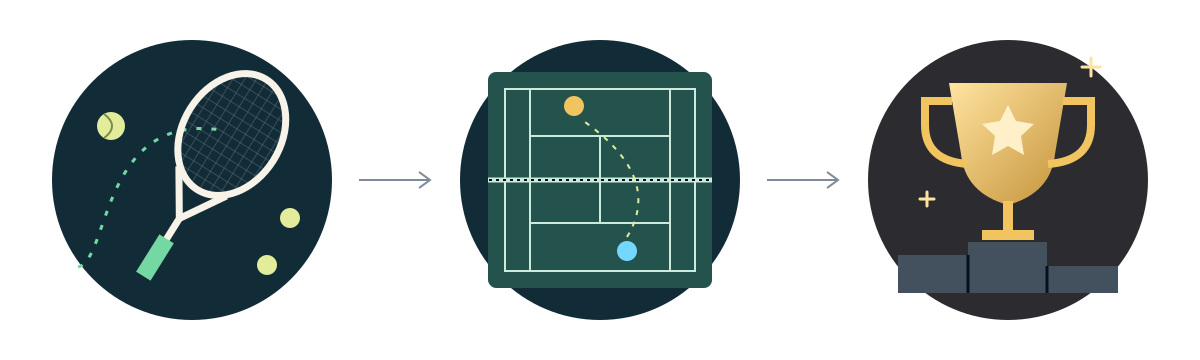
Learn a game. Explore an idea. Make mistakes in your own time. Come back with a better plan.
Meet other people across the table. Enjoy a friendly match. See what your practice brings.
Choose a match or tournament with a reward. Test your decisions. Enjoy an achievement that means something to you.
Local AI is your training ground.Calm practice. Your pace. Room to experiment.
Arena is your competition.Other players. A shared challenge. Your choice.
Arena availability follows each game's online rollout. Local practice stands on its own.
Find your kind of practice
Centuries of play have given us a wonderful range of challenges. Here are four ways to begin.
“And what will they do next?”
Look beyond your move. Compare the replies.
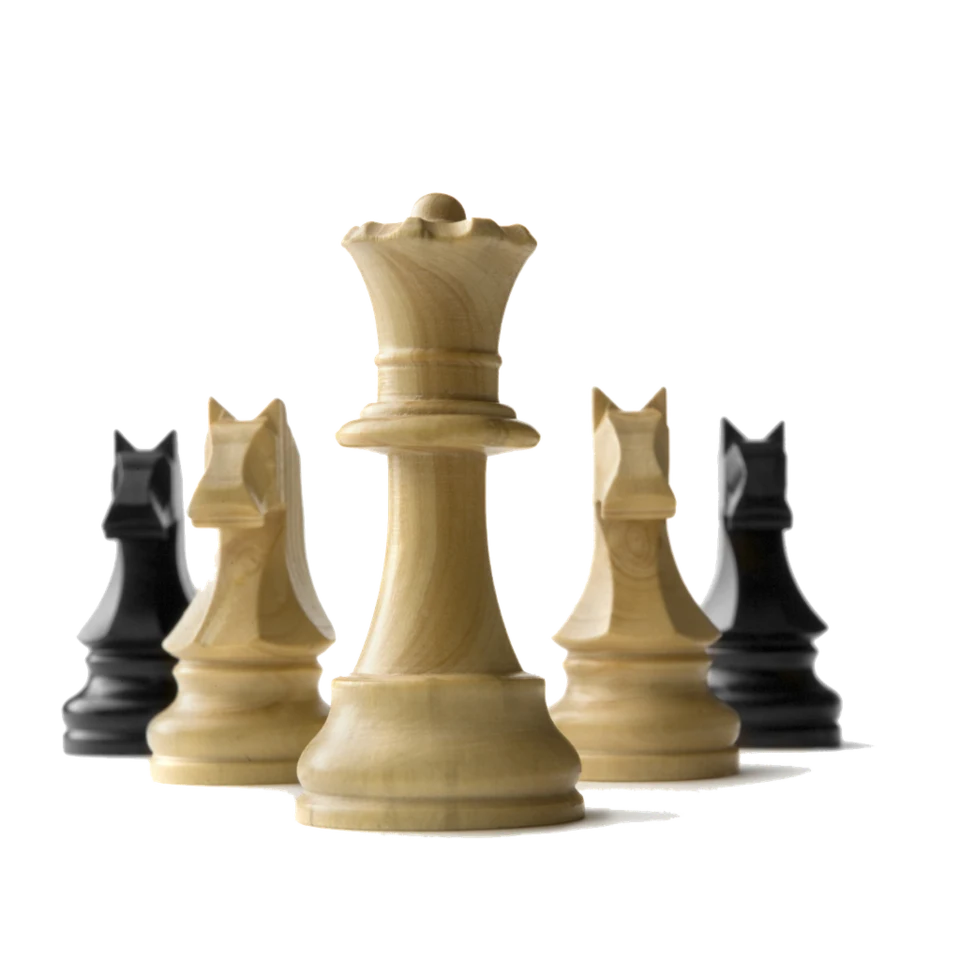
Before you move, imagine your opponent's strongest reply. Does your plan still work?
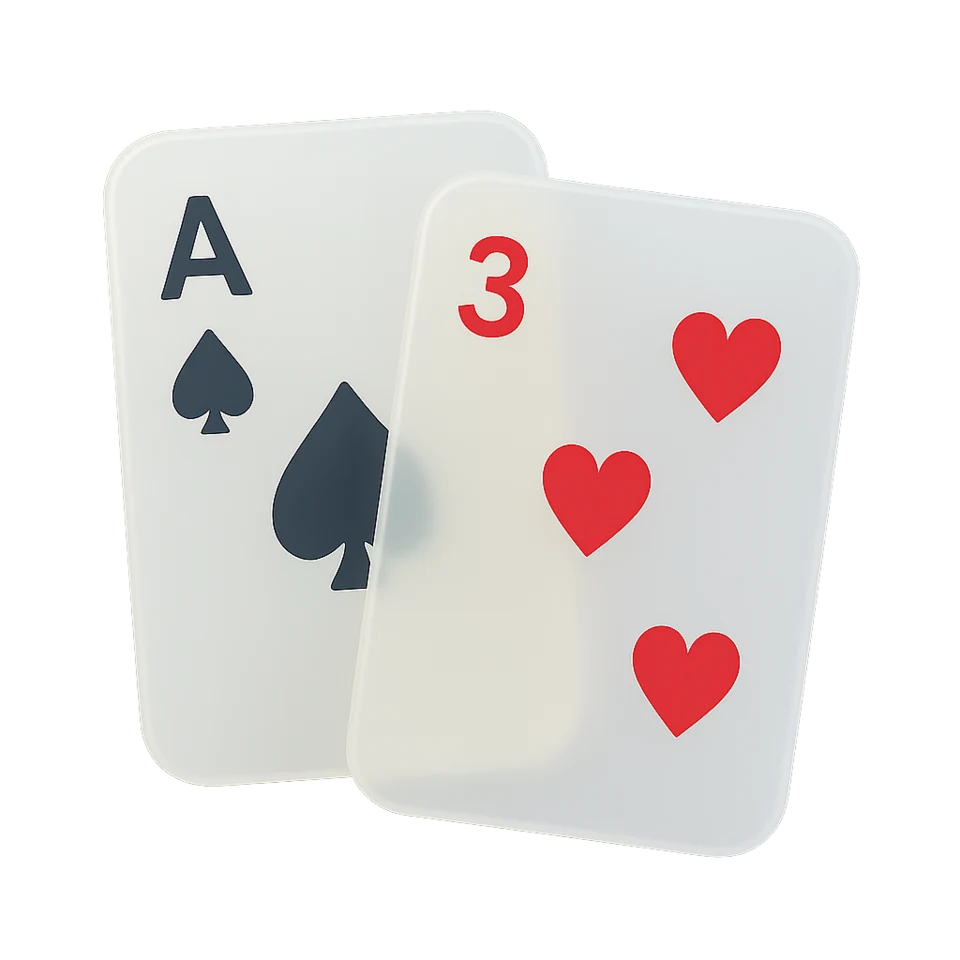
“Save the trump. Or play it?”
Remember what has gone. Decide what matters now.
Follow one high-value card through the hand. Has it appeared? Let that memory inform your next choice.
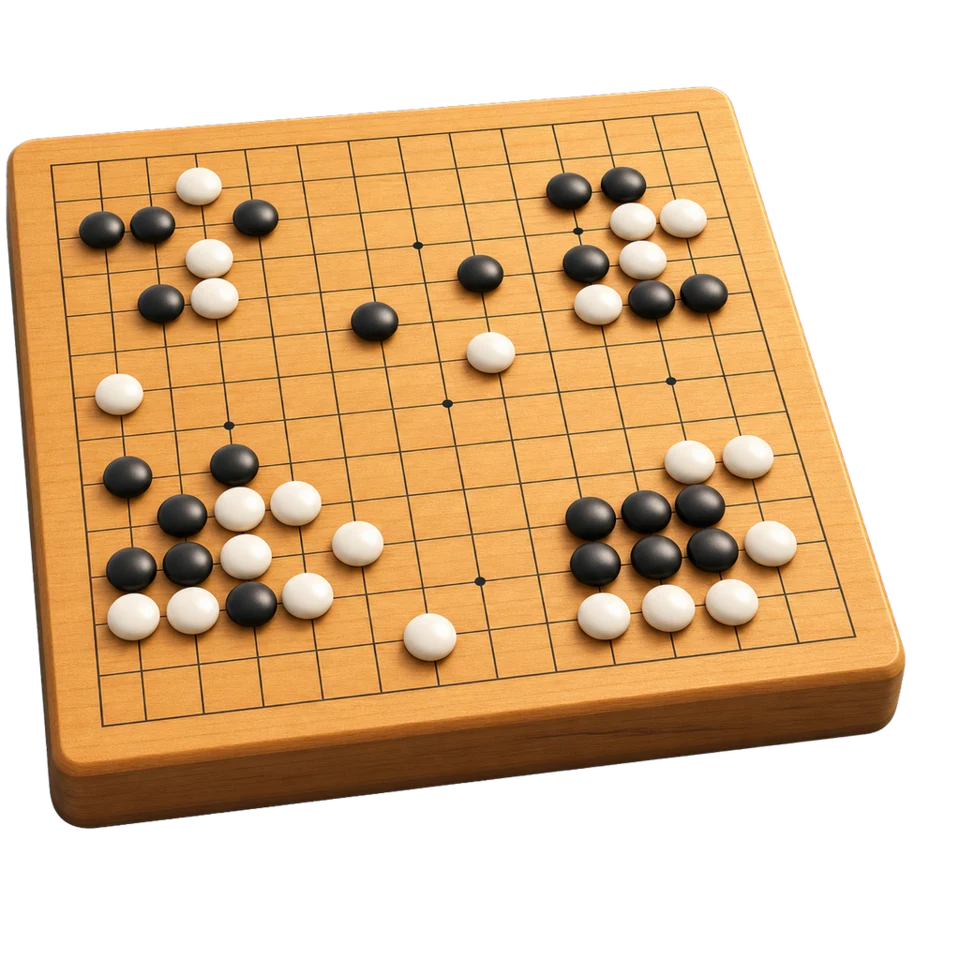
“This corner. Or the whole board?”
Notice connections. Balance a local move with a bigger plan.
Pause before answering a move. Look at another part of the board. Where could one stone do the most?
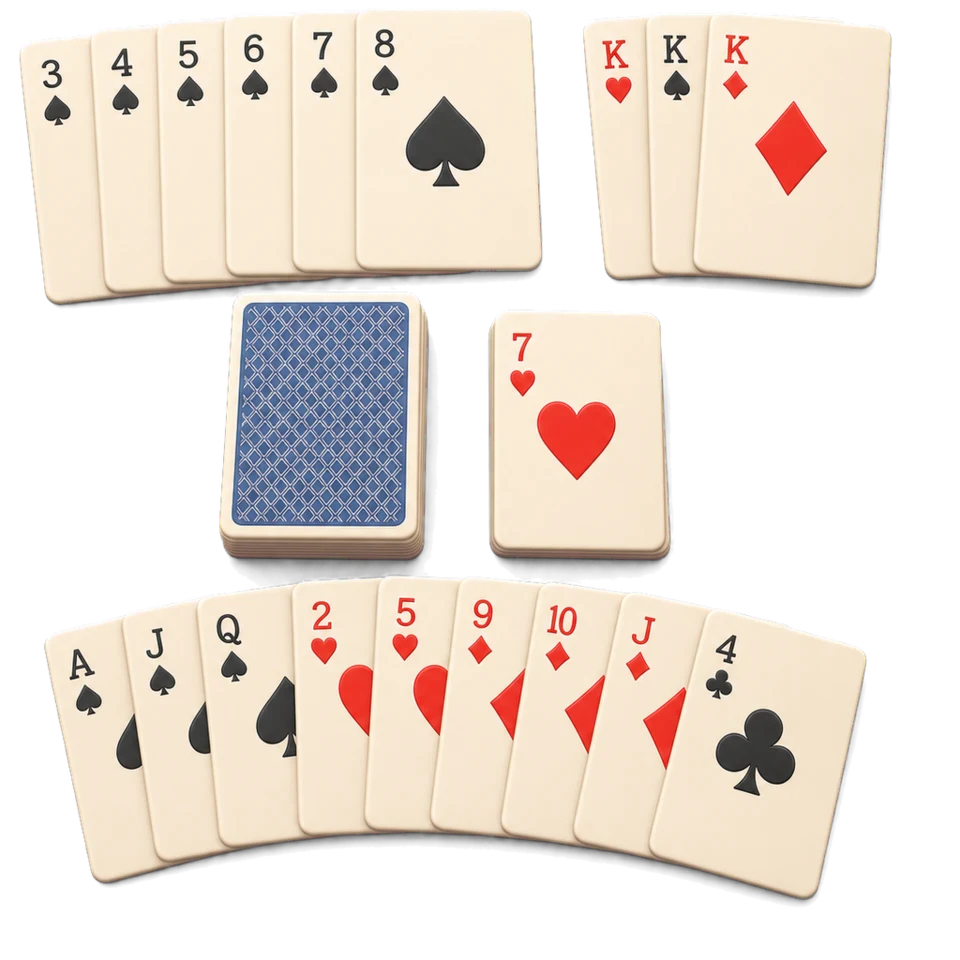
“One hand. How many possibilities?”
Find combinations. Reconsider them as the cards change.
Find two ways to group your hand. Which leaves you more useful cards to draw?
Stay with a favourite. Try something unfamiliar.
Variety is an invitation. You choose the mix.
Chess and Rubamazzo open the catalogue in October; the other games follow a few at a time. See the release timeline.

Slow Gaming · the foundation
We build our games for the sports of the mind.
That purpose needs room for thought.
That is why Slow Gaming is essential to our design: time to consider alternatives and learn from mistakes. This foundation belongs in local training and Arena competition alike.
Calm play can carry serious ambition.
Slow Gaming: why the calm mattersChoose your sporting occasion
There is more than one way to enjoy competition. Choose the type and intensity that suit you.
A friendly Arena table, where your one-coin entry comes back to you when you finish. The pleasure of playing someone else is reason enough.
At a reward table, your entry pays for the online game and winning earns a reward. The satisfaction comes from the play behind it.
Organizers choose the rules, who may join, the entry and how the reward is shared: one winner, or several finishers. Players choose the event they enjoy.
Your next move
A quiet hand today. A new idea tomorrow.
Perhaps an Arena match when you feel ready.